Metal components can leave machining, casting, stamping, and fabrication processes with burrs, sharp edges, surface marks, scale, or inconsistent finishes. When these issues are handled manually, finishing can become labour intensive and difficult to standardise across larger batches.
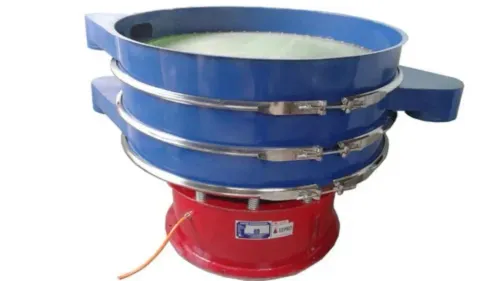
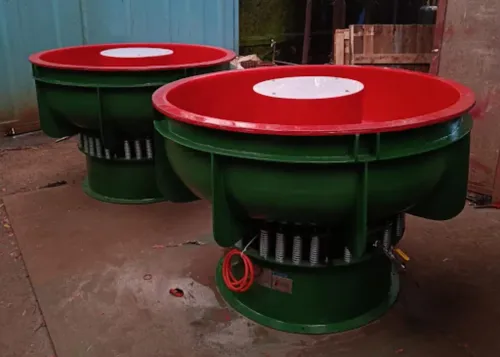
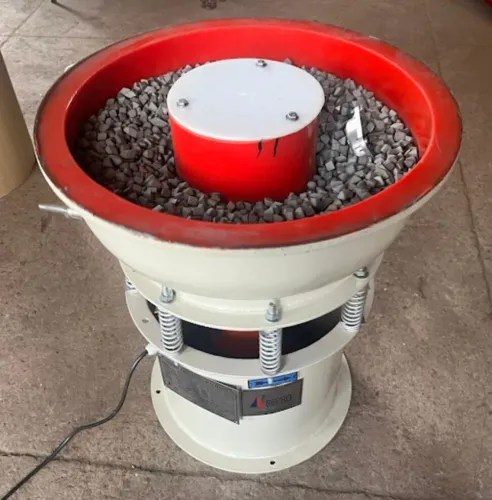
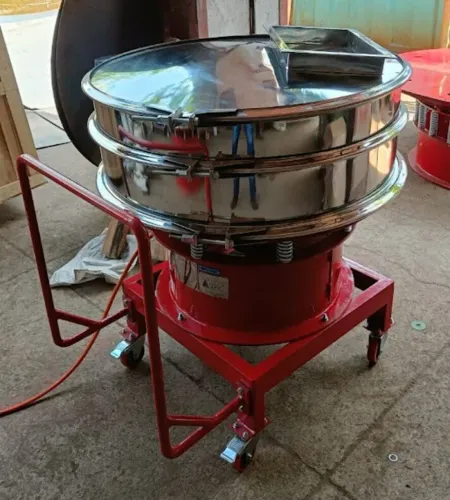
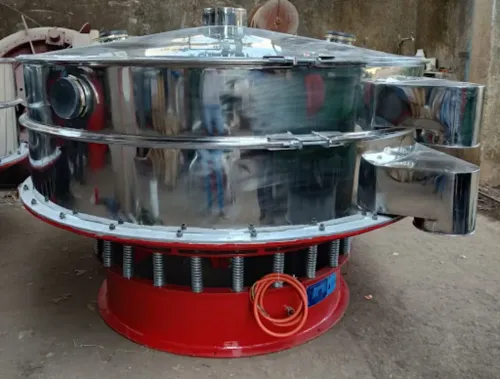
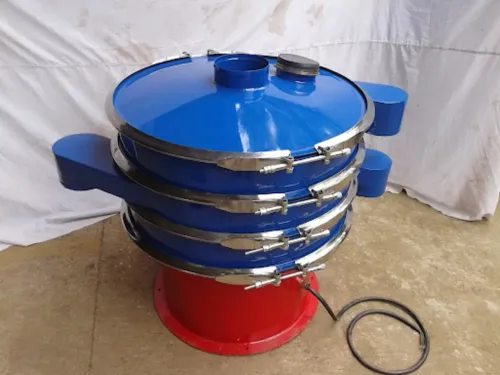
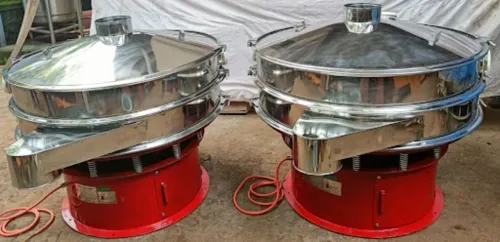
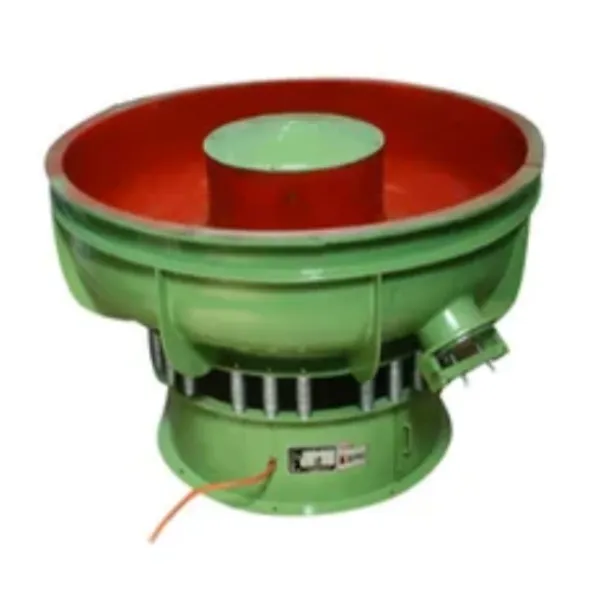
A Vibratory Finishing Machine provides a batch-processing approach in which components, suitable media, and process compounds interact through controlled vibratory movement.
For metalworking businesses and engineering companies in Navi Mumbai, Maharashtra, the technology can be evaluated when manual finishing begins creating a bottleneck.
Where a Vibratory Finishing Machine Fits Into Production
Vibratory finishing is commonly considered for processes involving deburring, edge smoothing, surface preparation, polishing, cleaning, and finishing improvement.
The required result depends on the combination of several variables:
- Component material
- Component geometry
- Finishing media
- Compound
- Processing time
- Machine settings
- Desired surface condition
This is why two apparently similar components may require different process parameters.
Problem One Manual Deburring Takes Too Long
When operators manually deburr large quantities of small components, labour requirements can increase quickly.
Manual methods may still be appropriate for specialised components, but repetitive batch work can make process consistency difficult.
A vibratory system can allow multiple suitable parts to be processed together. The value depends on whether component geometry and quality requirements are compatible with batch finishing.
Problem Two Finished Parts Vary Between Operators
Hand finishing depends partly on individual technique.
Differences in pressure, tool use, processing time, and inspection can create variation. A defined vibratory finishing cycle can make processing conditions more repeatable once the correct parameters have been established.
This does not remove the need for quality inspection. It provides a more controlled process that quality teams can evaluate against defined acceptance criteria.
Problem Three Finishing Creates a Production Bottleneck
Machining capacity may increase while the finishing department remains unchanged.
When unfinished components accumulate between manufacturing and inspection, production managers should examine cycle time, labour availability, batch sizes, and rejection causes.
A suitable vibratory finishing process may help redistribute workload when parts can be safely processed in batches.
Problem Four Media Selection Produces Poor Results
Using inappropriate media can lead to slow finishing, insufficient material removal, unwanted surface effects, or media becoming trapped in component features.
Media should be selected according to component material, shape, size, required cutting action, and finish.
Testing representative components is valuable because catalogue descriptions alone cannot fully predict every interaction between a part and finishing media.
Evaluate the Process Before Comparing Equipment
A useful equipment evaluation begins with the component rather than the machine.
Manufacturers should identify the existing surface condition, required finished condition, batch quantity, component dimensions, material, current finishing time, and any sensitive features.
These details make it easier to determine whether vibratory finishing is suitable and what machine capacity may be practical.
For engineering and metalworking companies in Navi Mumbai and surrounding Maharashtra industrial zones, Separation Engineers can assess application requirements when a vibratory finishing process is being considered.
A Vibratory Finishing Machine can be valuable when the application is appropriate, but the strongest results come from matching the equipment, media, compound, cycle time, and component characteristics as one complete finishing process.
Keywords