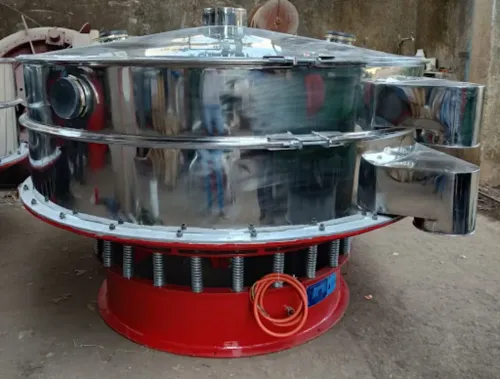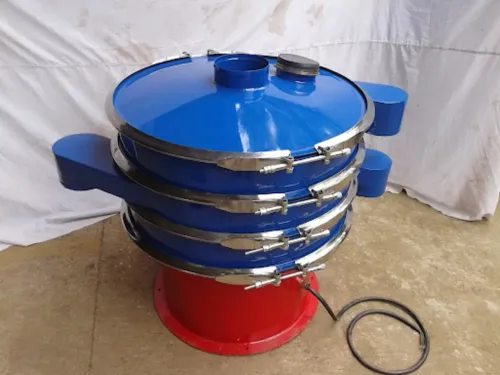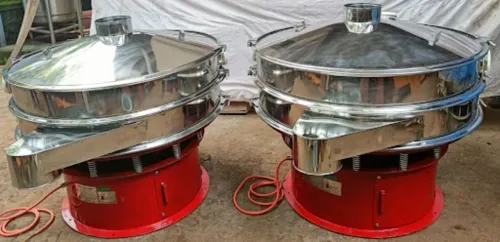
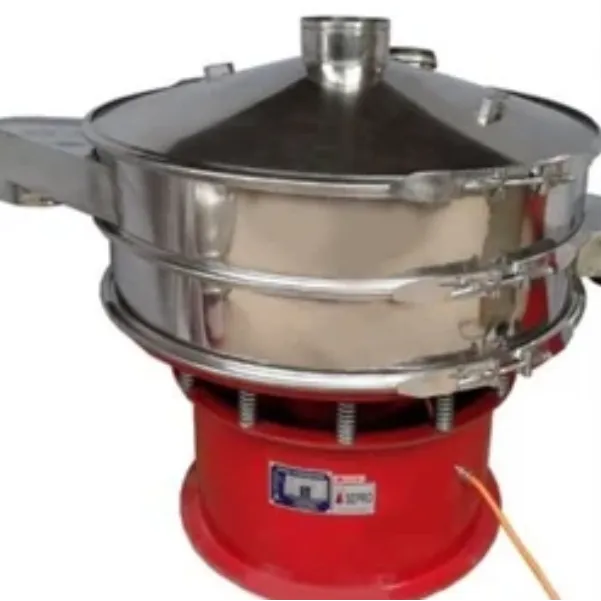
Increasing flour production can expose limitations that were barely noticeable at lower volumes. Manual sieving may take too long, existing screens may become overloaded, flour quality may vary between batches, and cleaning downtime may begin interfering with production schedules.
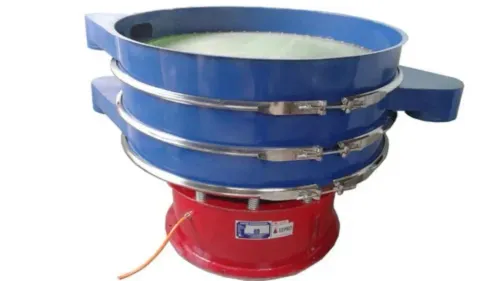
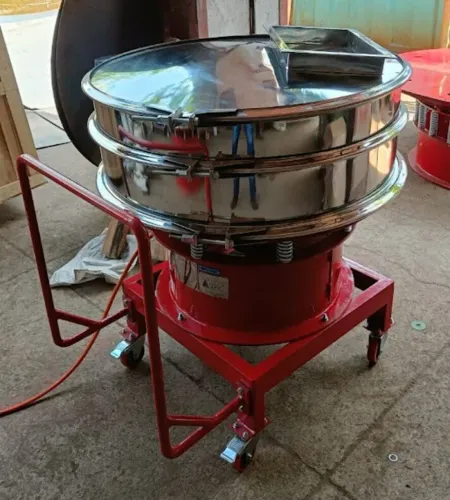
A Wheat Flour Sieving Machine can be considered when these issues become recurring operational constraints.
Flour mills, bakeries, food ingredient companies, and manufacturing units in Navi Mumbai and Maharashtra should evaluate sieving equipment against current production conditions as well as realistic growth expectations.
Identify Why a Wheat Flour Sieving Machine Is Needed
Start with the problem the equipment needs to solve.
Typical requirements may include removing lumps, controlling oversized particles, achieving consistent flour texture, screening before packing, screening before mixing, or replacing labour-intensive manual sieving.
Defining the objective prevents over-specifying equipment.
Calculate Real Production Requirements
Do not base capacity solely on the plant's current average output.
Record normal hourly production, peak production periods, batch sizes, operating hours, and expected growth.
At the same time, avoid selecting unnecessarily large equipment without considering actual process flow.
The screening stage should be balanced with upstream milling and downstream packing capacity.
Understand Flour Characteristics
Wheat flour is a fine material whose flow can be affected by humidity, storage, compaction, and handling.
Provide suppliers with representative information about the flour rather than assuming all wheat flour behaves identically.
If the product frequently contains compacted lumps, explain when and why they appear. This may influence screen selection and feeding requirements.
Confirm the Required Mesh
Mesh selection should follow the desired flour specification.
A finer mesh may provide tighter particle control, but it can also influence throughput. The correct balance depends on product requirements.
Quality and production teams should agree on the acceptable particle specification before procurement begins.
Check Food Processing Practicalities
Cleaning should be part of equipment selection from the beginning.
Evaluate product-contact areas, screen access, screen removal, internal accessibility, discharge points, and the plant's sanitation procedure.
Operators who perform routine cleaning should ideally contribute to the equipment review because they can identify practical issues that may not be obvious from a specification sheet.
Review Installation Readiness
Before placing an order, confirm:
- Available floor area
- Inlet height
- Discharge arrangement
- Electrical supply
- Feeding method
- Collection system
- Operator access
- Maintenance clearance
- Connection with existing equipment
Small layout issues can create significant commissioning difficulties when they are discovered late.
Choose a Manufacturer Through Process Discussion
A useful equipment manufacturer should seek application details before recommending a configuration.
Separation Engineers in Navi Mumbai can discuss industrial sieving requirements based on flour characteristics, throughput expectations, screen specifications, installation conditions, and production objectives.
Procurement teams should compare proposals on technical suitability, maintenance practicality, construction, screen accessibility, integration, and expected operating conditions rather than looking only at initial price.
A growing plant needs equipment that fits the production process it is building, not merely the process it has today.
When flour characteristics, mesh requirements, hygiene, capacity, maintenance, and installation are assessed together, a Wheat Flour Sieving Machine can become a well-integrated part of the production line and support more consistent processing as manufacturing volumes increase.
Keywords