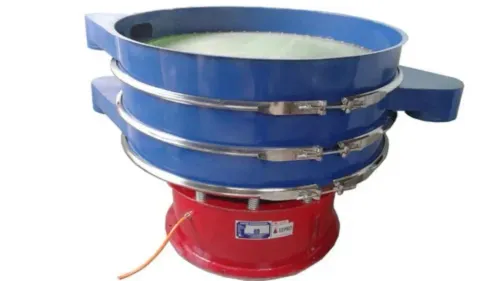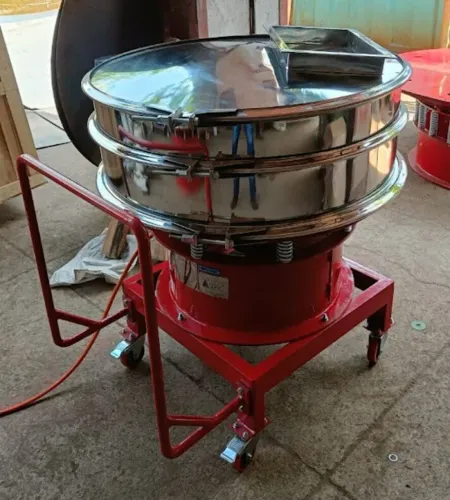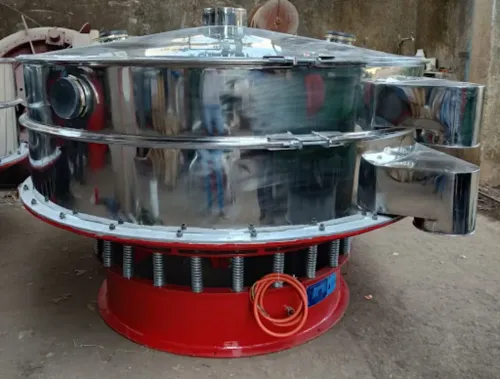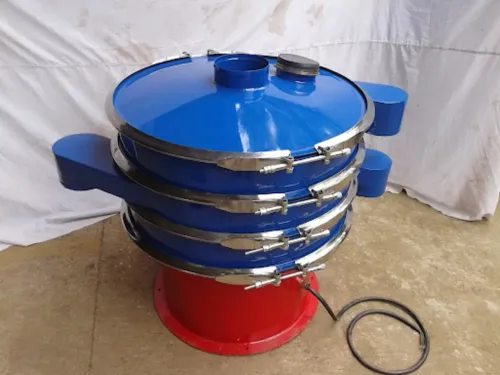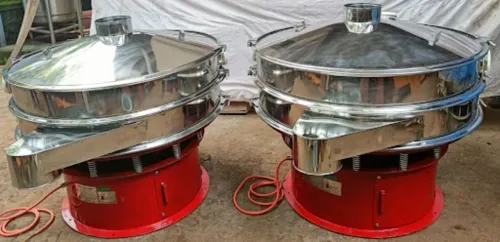
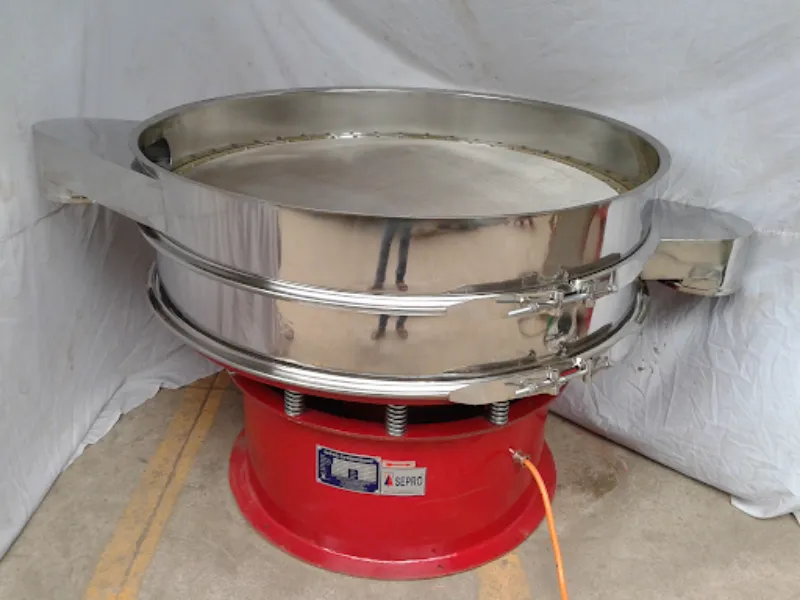
Industrial water streams can contain suspended solids that need to be separated before water is reused, transferred, treated further, or handled in another part of the process. A Back Water Filtration Screening Machine can form part of a solids-separation arrangement when the characteristics of the water stream and suspended material are suitable for mechanical screening.
Selecting equipment without studying the stream can result in inadequate screening, frequent cleaning, or unnecessary capacity.
Characterize the Water Stream First
The term back water can cover streams with very different characteristics depending on the industrial process.
Before selecting screening equipment, collect information about:
- Average flow rate
- Peak flow rate
- Suspended-solid concentration
- Typical particle size
- Largest expected particles
- Temperature
- Process chemistry
- Variations between production cycles
- Required screened-water quality
Peak conditions are particularly important. A machine sized only for average flow may struggle when production creates short periods of significantly higher loading.
Establish the Screening Objective
Mechanical screening has a defined role. It separates particles based largely on physical size and screen characteristics.
Manufacturers should therefore establish what needs to be removed and why.
The objective may be to protect downstream equipment, recover solids, reduce the load reaching another treatment stage, or improve water quality before internal reuse.
A clearly defined objective helps determine the required screen opening and equipment capacity.
Avoid Choosing an Excessively Fine Screen
A finer screen may appear to provide better filtration, but it can also increase the likelihood of blockage when the incoming stream contains substantial solids.
The most appropriate screen is not automatically the finest available option. It is the one that provides the required separation while maintaining workable flow and cleaning conditions.
Representative samples can help determine practical screening behaviour.
Plan for Solids Handling
Removing solids from water is only part of the process. The separated material then needs to be collected and managed.
Production teams should consider how solids leave the machine, where they are collected, how frequently collection is required, and whether the material has any recovery value.
Ignoring this stage can create housekeeping and handling problems around otherwise effective filtration equipment.
Consider Changes in Production
Process water characteristics can change when production recipes, raw materials, operating rates, or cleaning cycles change.
Facilities in Navi Mumbai and other industrial areas of Maharashtra may operate multiple products on the same site. Screening equipment should therefore be evaluated against realistic variation rather than one ideal operating sample.
Maintenance Access Matters
Screens exposed to process water and suspended solids require inspection and cleaning. Equipment layout should allow operators to reach relevant components without unnecessarily difficult dismantling.
Maintenance planning should consider screen condition, cleaning frequency, seals, moving components, and any areas where solids may accumulate.
Separation Engineers works with industrial screening and filtration applications across process industries. When evaluating a Back Water Filtration Screening Machine, facilities should provide actual stream data and representative solids information rather than selecting equipment based solely on pipe size or general flow estimates.
For manufacturers in Navi Mumbai and Maharashtra, this process-based approach can help ensure that screening capacity, aperture selection, solids discharge, and maintenance requirements are aligned with the real water-management system.
Keywords