Dairy processing depends on controlled handling, hygiene, consistent product characteristics, and reliable production flow. When unwanted particles, agglomerates, inconsistent texture, or repeated screening interruptions begin affecting operations, production teams may need to reassess the screening stage.
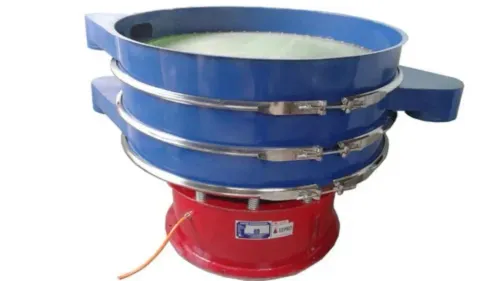
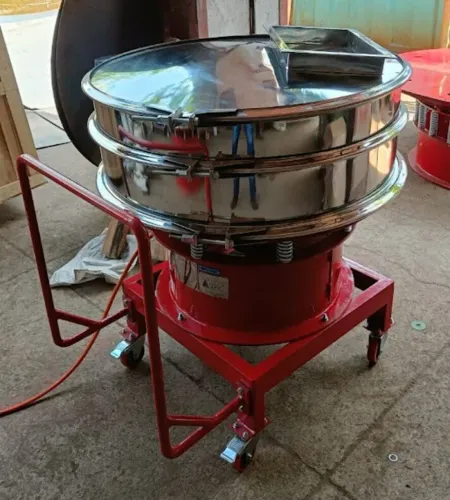
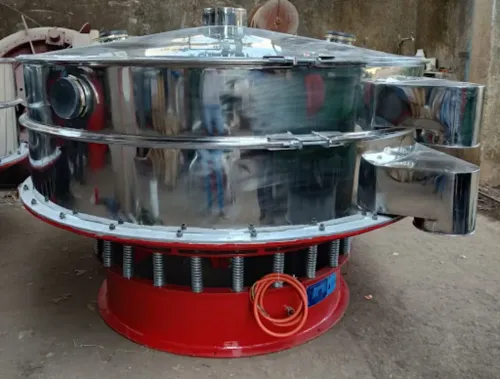
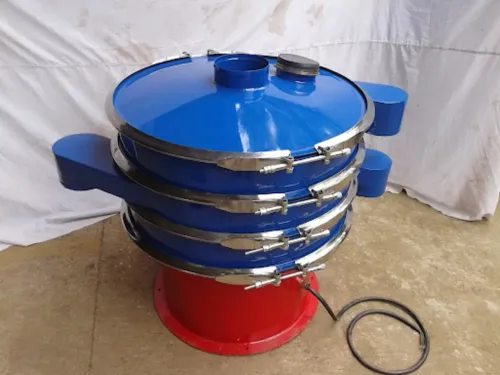
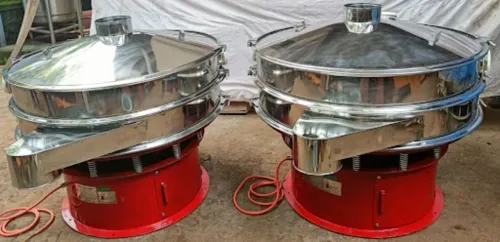
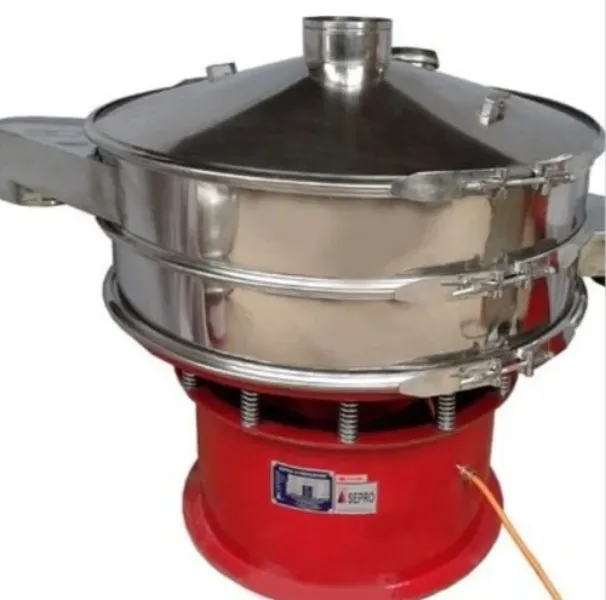
A Dairy Product Screening Machine can be considered when the application requires controlled separation within an appropriate dairy-processing workflow.
For dairy manufacturers in Navi Mumbai and across Maharashtra, equipment selection should begin with the product characteristics and the plant's hygiene requirements.
When a Dairy Product Screening Machine Becomes Relevant
One clear readiness indicator is repeated inconsistency in the material entering downstream processes.
Depending on the dairy application, screening may be used to address unwanted oversized material, agglomerates, or particles that do not meet the required process specification.
The exact objective should be documented before equipment is selected.
Production Volume Has Outgrown Manual Methods
Manual sieving may be manageable during small-scale production, trials, or limited batches.
As output grows, the same method can become labour intensive and difficult to standardise. Operators may need to handle larger quantities while maintaining consistent results.
This is a practical point at which mechanised screening may deserve evaluation.
Screening Has Become a Bottleneck
If upstream equipment repeatedly waits because screening cannot keep pace, the plant may have a capacity mismatch.
Measure actual feed rates and screening time rather than relying on estimates.
Useful data includes peak production rate, average throughput, cleaning downtime, changeover frequency, and the volume of material retained during screening.
Hygiene Requirements Have Become More Demanding
Growth often brings more formalised hygiene procedures.
Equipment should support practical cleaning and inspection. Product-contact construction, screen accessibility, residue management, and cleaning routines need to align with the facility's quality system.
Quality teams should be involved in equipment evaluation rather than leaving the decision entirely to procurement.
Product Specifications Need Better Consistency
Customer requirements may become more defined as a dairy business expands.
If particle-related specifications become tighter, the screening process may need greater control and repeatability.
A clearly defined screen specification provides operators and quality teams with a measurable production parameter.
Maintenance Teams Need Better Access
Existing equipment may still perform adequately while becoming increasingly difficult to maintain.
Frequent screen changes, inaccessible components, repeated product accumulation, and long cleaning periods can reduce productive operating time.
These recurring issues should be documented because they can influence the design requirements for replacement equipment.
Prepare Application Data Before Speaking With a Manufacturer
A supplier can make a more meaningful recommendation when the plant provides actual process information.
Document the dairy product, physical condition, required separation, throughput, operating hours, available installation space, cleaning requirements, inlet arrangement, and discharge requirements.
Separation Engineers in Navi Mumbai can use such application information when discussing industrial screening equipment with dairy-processing businesses.
The decision to invest in a Dairy Product Screening Machine should come from identifiable production needs rather than equipment availability alone. Rising volume, repeated bottlenecks, tighter product specifications, hygiene requirements, and maintenance challenges are all practical signals.
When these indicators are documented clearly, manufacturers can evaluate equipment against measurable plant requirements and build a screening stage that fits the broader dairy-processing operation.
Keywords